A tire does not need a nail in it to keep losing air. That is what makes this problem so irritating. You top it off, drive for a few days, and then find the same tire low again with no screw in the tread and no obvious damage staring back at you.
Air can escape from more places than most drivers realize.
Why A Tire Can Lose Air Without A Hole In The Tread
A tire only holds pressure if the whole assembly seals properly. The tread is part of the story, but so are the wheel, the valve stem, and the bead where the tire meets the rim. If any one of those areas stops sealing the way it should, the tire can go flat even though the tread looks perfectly fine.
That is why a slow leak can be hard to spot in the driveway. The problem is not always where drivers expect it to be.
Valve Stem Leaks Are More Common Than People Think
Valve stems are one of the first places to check. Over time, the rubber can dry out, crack, or stop sealing tightly where it passes through the wheel. The valve core inside can also start leaking, allowing air to escape gradually.
That kind of leak is easy to underestimate because the tire rarely goes flat all at once. It just keeps dropping enough pressure to become a repeat problem. If one tire needs air again and again while the others stay stable, the valve stem deserves a close inspection.
The Bead Seal Can Start Leaking
The bead is the outer edge of the tire that seals against the rim. If corrosion builds up on the wheel or the sealing surface gets rough, air can leak out around that edge even when the tire itself is still in decent shape. Dirt, rust, and age all play a role here.
This is a common reason older wheels cause trouble. The tire gets blamed first, but the real issue is that the rim no longer provides a clean surface for the bead to seal against.
Wheel Damage Can Let Air Escape Too
A tire can also lose air because the wheel took a hit. A pothole, curb strike, or rough road impact can bend the rim just enough to break the seal. From the outside, the wheel may not look badly damaged, but it does not take much to create a slow leak.
That is one reason drivers get confused after a tire keeps going low with no puncture in sight. The tire is not always the failed part. Sometimes the wheel is the real source of the problem.
Temperature Changes Can Make It More Noticeable
Cold weather lowers tire pressure, so a tire that was borderline can look much worse after a temperature drop. That does not automatically mean there is a true leak, but it can make a small sealing issue easier to spot. One weak tire will usually stand out faster than the others.
The key is the pattern. If all four tires lose a little pressure with the weather, that is one thing. If one tire keeps falling behind the rest, something is leaking.
Why It Should Not Be Ignored
Driving on a tire that keeps losing air does more than create inconvenience. Low pressure affects handling, increases heat, shortens tread life, and can wear the tire unevenly. A tire that could have been saved can end up ruined simply because it stayed underinflated too long.
That is where regular maintenance really helps. Catching a slow leak early gives you a better chance of fixing the real cause before the tire itself starts paying for it.
What A Proper Tire Leak Check Should Include
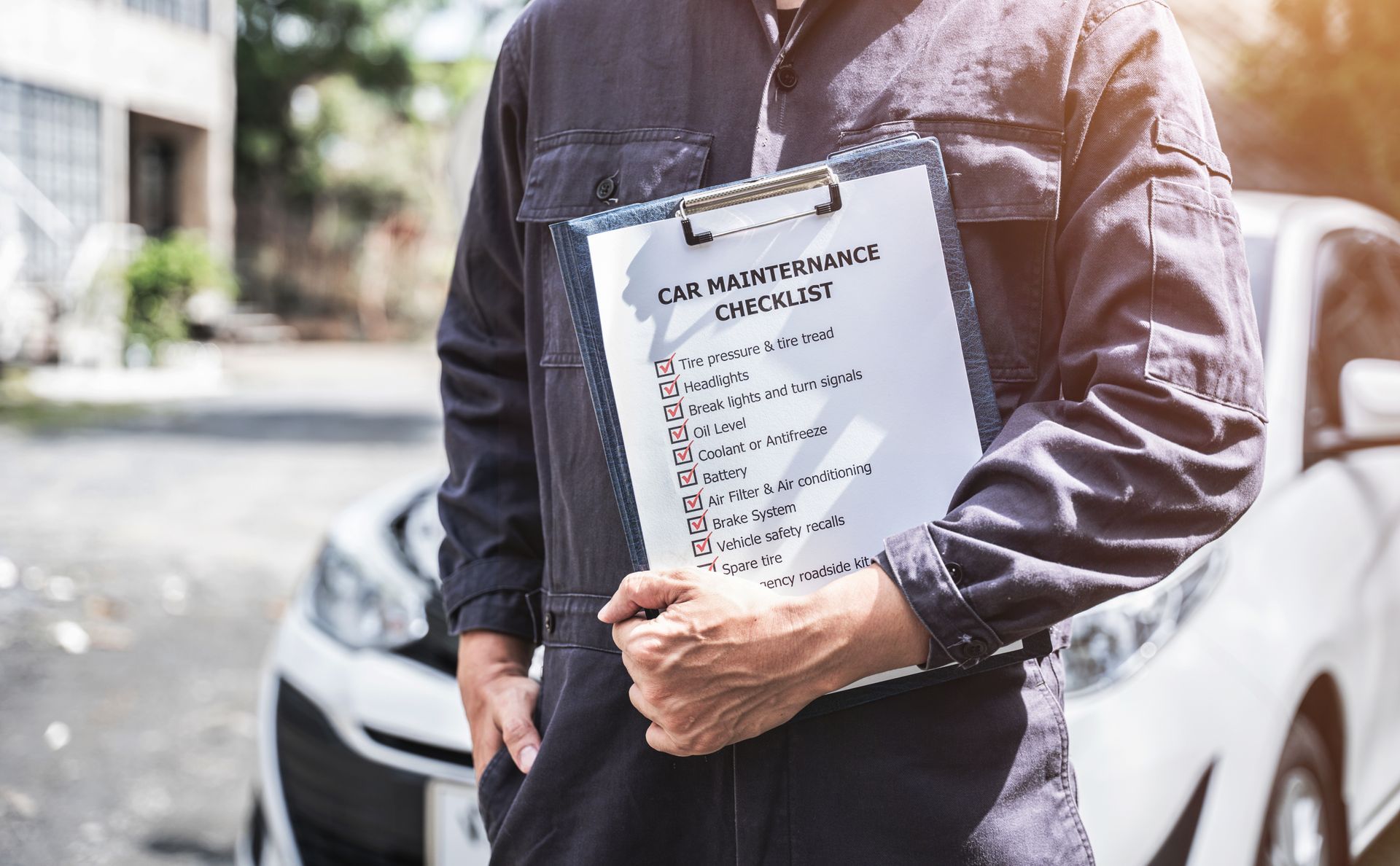
A real leak check should look beyond the tread surface. The valve stem, wheel condition, bead seal, and pressure pattern all need to be checked together. That is the only way to tell whether the issue is repairable, whether the wheel needs attention, or whether the tire has reached the point where replacement makes more sense.
Guessing wastes time. A proper inspection gives you a clear answer and helps keep the repair focused.
Get Tire Service and Repair In Hesperia, CA, With Mariposa Tire & Auto
If one of your tires keeps going flat and you cannot find a puncture, Mariposa Tire & Auto in Hesperia, CA, can check the tire, wheel, and valve stem to find the real source of the air loss.
Bring it in before a slow leak turns into a damaged tire and a bigger repair than it needed to be.