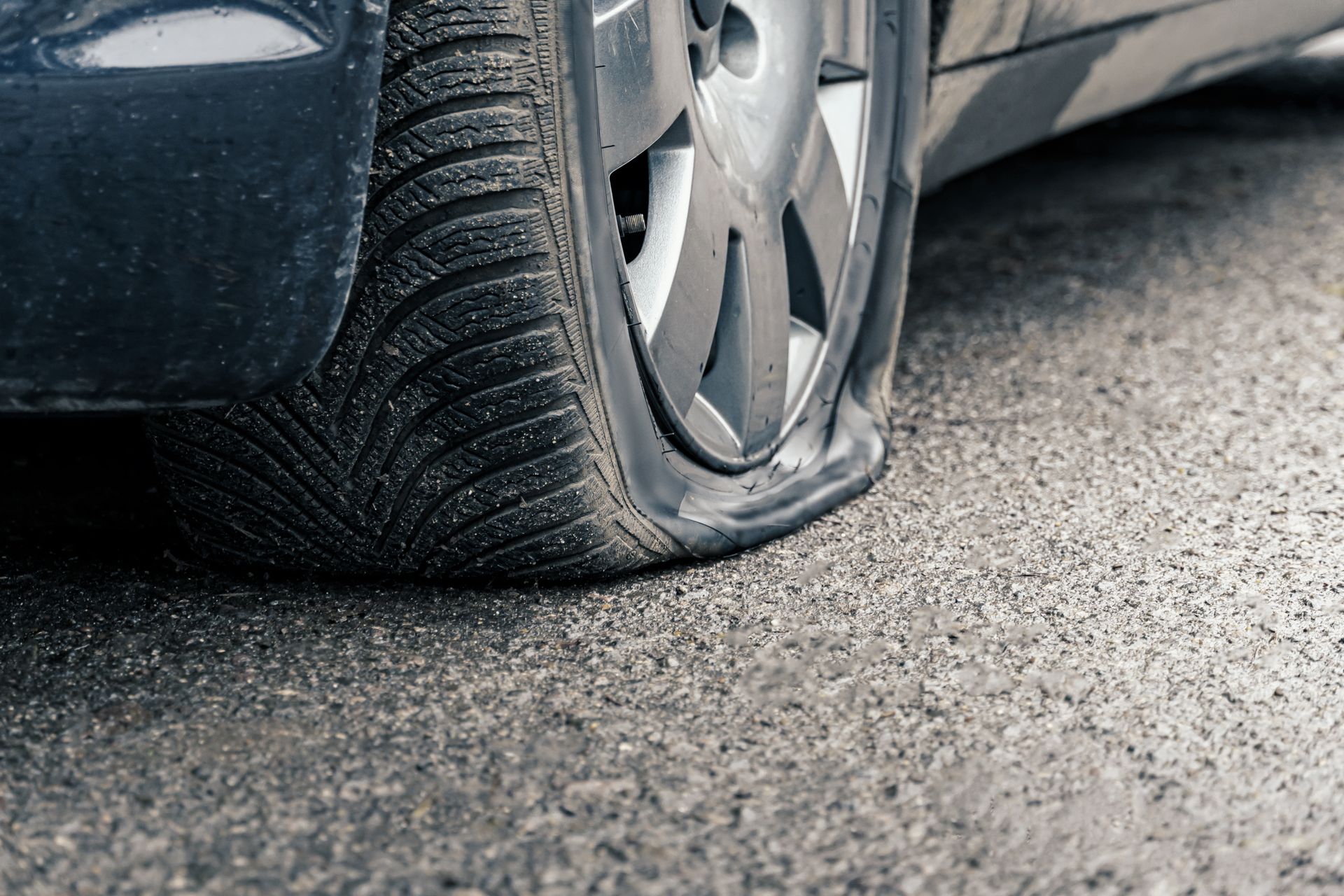
If you have made the switch to an electric vehicle lately, you are likely enjoying the silent cabin, the lack of oil changes, and that addictive surge of power every time the light turns green. But you may have noticed something a bit surprising when you brought your car in for a routine checkup. Your tires are wearing down much faster than they did on your old gas-powered sedan.
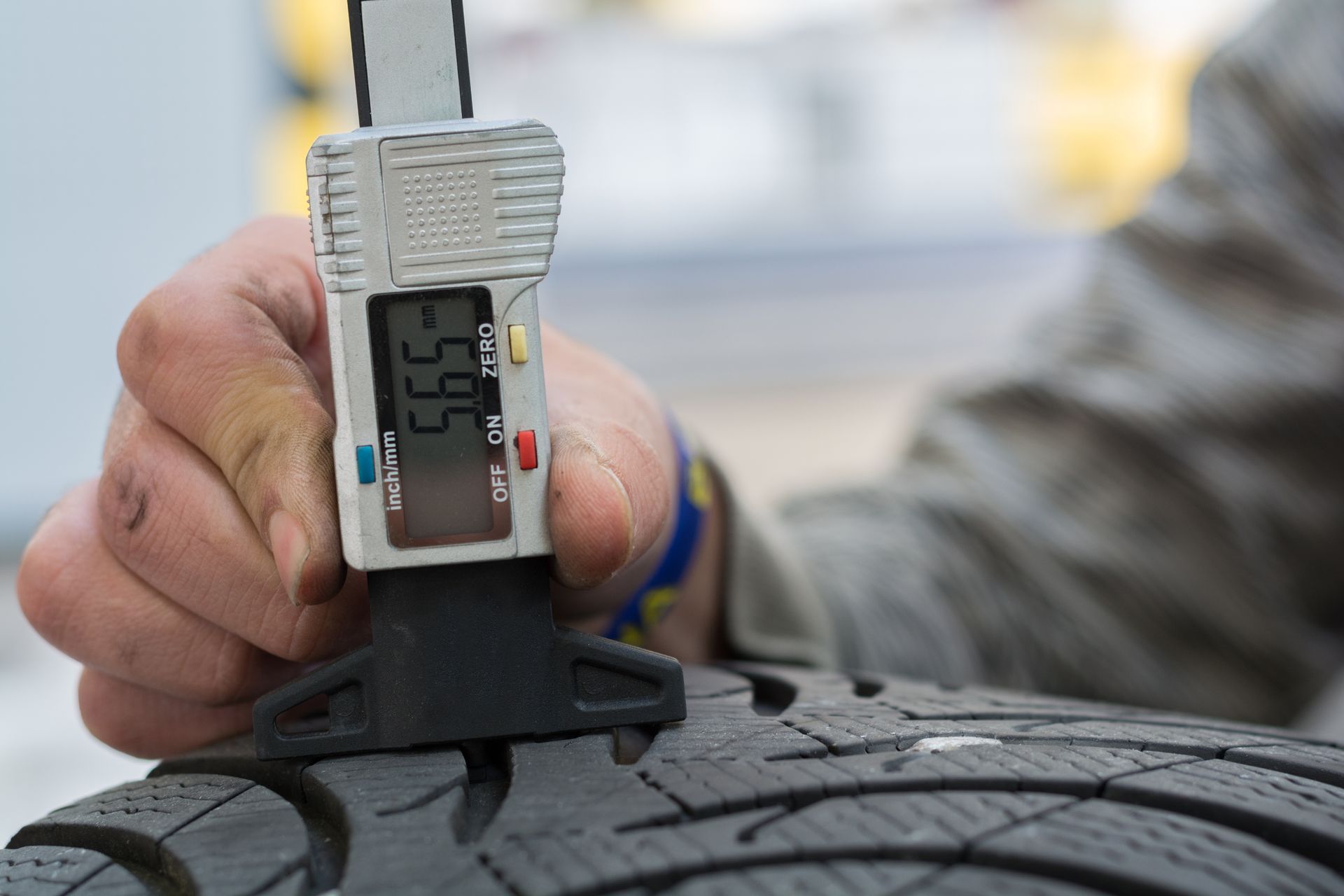
At our shop, we see this every day. EV owners often come in after only fifteen or twenty thousand miles, shocked to find their tread is already hitting the wear bars. It is one of the most common surprises for new electric car owners, and it is not just your imagination. Tires on electric vehicles genuinely have a harder life than those on traditional cars. Understanding why this happens can help you adjust your habits and save a significant amount of money on rubber over the next few years.
The Weight of the Battery Pack
The single biggest reason your EV is hungry for tires is sheer weight. While an electric motor is much lighter than a traditional engine and transmission, the battery pack required to give you three hundred miles of range is incredibly heavy. On average, an EV can weigh fifteen to twenty percent more than a comparable internal combustion vehicle.
This extra mass puts constant, unrelenting pressure on the tire sidewalls and the tread. Every time you turn a corner, the tires have to fight harder to change the direction of that heavy battery. When you hit a pothole, the impact is more forceful. This extra weight grinds the rubber into the pavement with more intensity, which naturally accelerates the rate at which the tread disappears.
The Thrill of Instant Torque
If you love the way your EV zips away from a stoplight, you are not alone. Electric motors deliver maximum torque the very instant you touch the pedal. There is no waiting for a turbo to spool up or a transmission to downshift. This is great for your morning commute, but it is brutal on your tires.
- Micro-Slippage: Every time you launch quickly, the tires experience what we call micro-slipping. Even if you do not hear a loud screech, the rubber is actually scrubbing against the asphalt as it tries to find grip for all that sudden power.
- Aggressive Launching: Because the power is so accessible, many EV drivers tend to accelerate more aggressively than they did in their old cars. This constant stress on the driven wheels means the tread is essentially being sanded down every time you show off that zero-to-sixty time.
Regenerative Braking and Tire Stress
Regenerative braking is a fantastic feature that helps recharge your battery and saves your brake pads from wearing out. However, that braking force has to go somewhere, and that somewhere is your tires. When you lift off the accelerator and the car begins to slow down significantly, the tires are handling the force of deceleration.
In a traditional car, the friction brakes handle most of the stopping power. In an EV using one-pedal driving, the tires on the driven axle are doing double duty. They are responsible for both the heavy acceleration and the heavy braking. This creates a unique wear pattern that can lead to tires wearing out much sooner than you might expect if you do not stay on top of your maintenance.
The Specialized Nature of EV Tires
You might be tempted to put a standard, cheaper tire on your EV when it comes time for a change, but we strongly advise against it. Manufacturers design specific tires for electric vehicles that focus on low rolling resistance to maximize your range and specialized rubber compounds to handle the weight.
Many EV tires also feature a layer of acoustic foam inside to keep the ride quiet, since there is no engine noise to mask the sound of the road. These specialized tires are built for efficiency and comfort, but the softer compounds used to maintain a quiet ride can sometimes be less durable than the hard, noisy rubber found on budget tires.
How to Make Your Rubber Last Longer
While EVs are naturally tougher on tires, you are not helpless. There are several things you can do to get more miles out of every set.
- Check Your Pressure Monthly: Because EVs are so heavy, even a small drop in tire pressure can lead to significant tread wear and a drop in your driving range. Keep them inflated to the exact PSI listed on your door jamb.
- Rotate Every Five Thousand Miles: This is non-negotiable for EV owners. Because the driven wheels handle so much torque and regenerative braking, they will wear out twice as fast as the non-driven wheels. Regular rotation is the only way to even out that wear.
- Ease Into the Accelerator: You do not have to win every race at the stoplight. By rolling into the power more gently, you reduce the micro-slippage that erases your tread.
Let Mariposa Tire & Auto Help You Protect Your Investment
We know that buying a new set of tires is a significant expense, and we want to help you get the most out of them. At Mariposa Tire & Auto, we specialize in the unique needs of electric vehicles. We can help you choose the right EV-specific tires that balance range, noise, and durability.
Do not wait until you see wires poking through your rubber. Bring your
EV by Mariposa Tire & Auto in Hesperia, CA today and let us give your tires a professional inspection. We can rotate your tires, check your alignment, and make sure your pressures are perfect.