Tires can look like they have plenty of life left, then start acting like they do not. That is because tread depth is only one piece of the safety puzzle, and it is not always the first to fail. Sometimes the tire is telling you something through vibration, noise, or odd handling before the tread ever looks low.
Here’s how to spot the situations where waiting rarely pays off.
Tread Depth Is Not The Whole Story
Tread helps with wet traction and braking, but it does not guarantee the tire is still structurally sound. A tire can have visible tread and still struggle with grip because the rubber has hardened, the tread blocks are feathered, or the internal belts are no longer perfectly true. You may notice this first in the rain, where the car feels less confident even at reasonable speeds.
Another clue is how the tire behaves as it wears. If the tread is wearing unevenly or the tire has developed a vibration you cannot balance out, the remaining tread is not as useful as it looks. That is when replacing early can be the cheaper and safer call.
Tire Age And Rubber Hardening
Rubber changes with time, even if you do not drive many miles. Heat cycles, sunlight, and ozone slowly harden the compound, which reduces grip and can make the tire more prone to cracking. A tire can pass a quick glance and still have aging that shows up as fine cracks in the sidewall or between tread blocks.
If you are unsure how old a tire is, the date code on the sidewall can tell you, but age is only part of the decision. What matters is how the tire is aging on your car and in your climate. We’ve seen newer-looking tires that were stored poorly and older tires that still looked healthy because they were cared for properly.
Sidewall Damage And Hidden Internal Problems
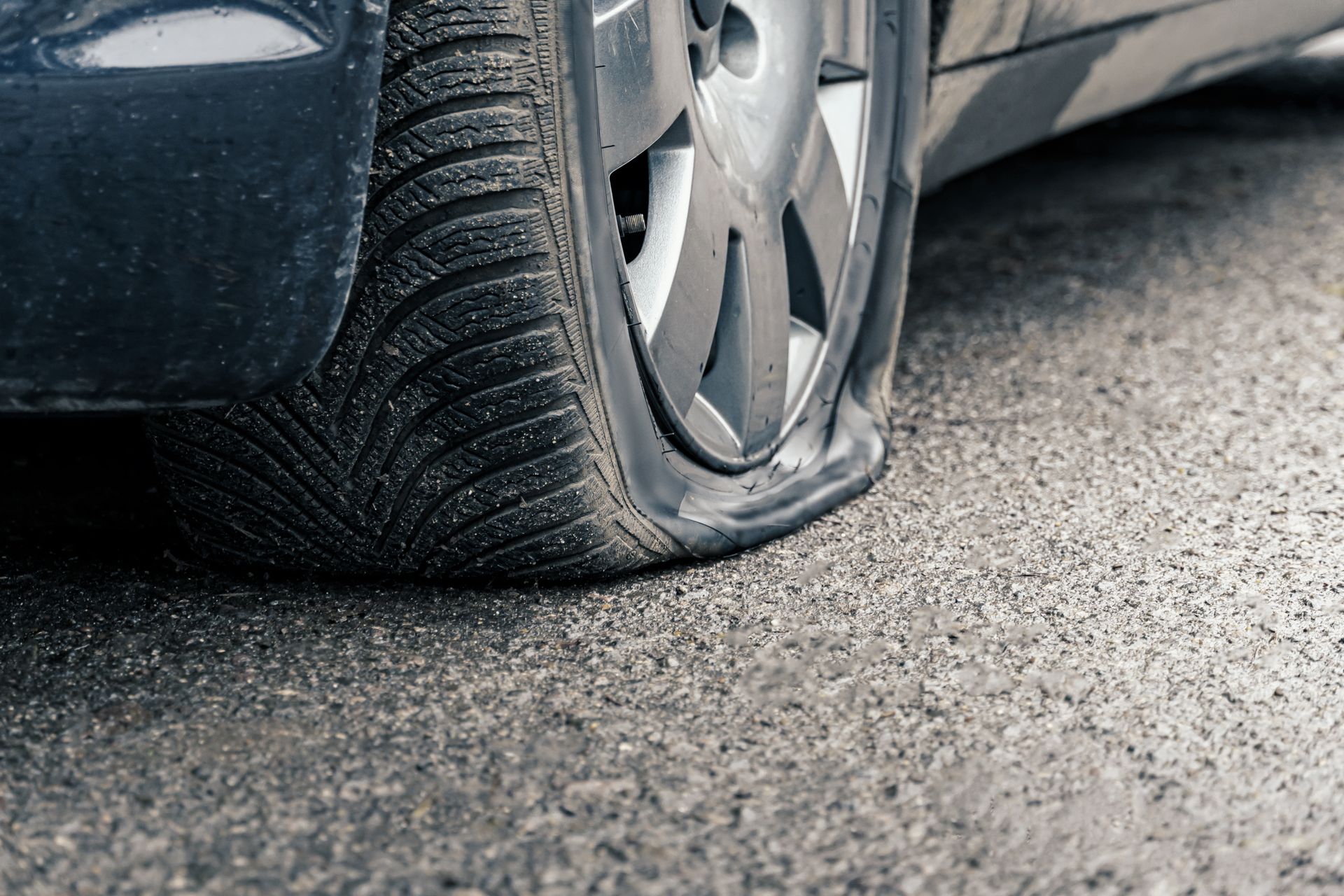
Sidewalls do a lot of work, and they do not like sharp impacts. A pothole hit can bruise the sidewall internally, and you may not see the damage right away. Later, it may show up as a bubble, a slow leak, or a tire that starts vibrating at a certain speed.
If you see a bulge, a deep scuff, or a cut that exposes cords, that tire is on borrowed time. Even smaller sidewall injuries can be risky because the sidewall flexes constantly. If the tire is losing air repeatedly, it is worth checking the wheel too, since a bent lip can cause sealing problems that mimic a tire issue.
Uneven Wear Patterns That Do Not Rotate Away
Some uneven wear is fixable if you catch it early, but once a pattern is established, it often keeps getting worse. Cupping, scalloping, and heavy edge wear can make the tire loud and reduce traction, even if the center tread still looks decent. At that point, rotating may move the noise around, but it rarely restores how the tire grips.
Uneven wear usually means something else needs attention, like alignment, suspension looseness, or inflation that has been off for a while. Keeping rotations and pressure checks on schedule is part of regular maintenance, and it helps you catch these patterns while they are still easy to correct. If the tire is already worn into a shape, replacing it can be the only way to get the ride and traction back.
Heat, Load, And Driving Style Wear
Tires that live through long highway commutes, heavy loads, or lots of stop-and-go heat up more often. Heat accelerates wear and can stress the internal structure, especially if pressures run low. Even if the tread looks acceptable, a tire that has been overheated repeatedly can start to feel less stable.
Driving style matters too, and it shows up as shoulder wear, fast front-tire wear, or a vibration that appears after a long drive. If you tow, carry heavy cargo, or drive at higher speeds often, your replacement point may come earlier than you expect. The tire is doing more work per mile, so it reaches its limits sooner.
How We Decide If Tires Should Be Replaced
The decision is usually clearer when you look at the full picture, not just the tread. During an inspection, we check the tire’s condition, how it’s wearing, and whether the wheel and suspension are helping or hurting it. A tire that is close on multiple factors is a tire that is likely to become a problem at the worst time.
Here are a few of the things our technicians look at before recommending replacement:
- Tread depth across the full width, not just the center
- Uneven wear patterns that point to alignment or suspension issues
- Sidewall bubbles, cracking, or impact bruising signs
- Repeated air loss or a tire that will not balance consistently
- Tire age and visible rubber hardening or splitting
If the tire has good tread but poor structure, replacement is usually the smarter move. If the tire has good structure but uneven wear, fixing the underlying cause may help the next set last longer. Either way, you leave with a clear reason behind the recommendation, not a vague warning.
Get Tire Replacement In Hesperia, CA With Mariposa Tire & Auto
If you’re not sure whether your tires are still worth driving on, Mariposa Tire & Auto can check wear, age, and impact damage and help you make a practical call.
Bring the car in when you have a moment, and we’ll help you choose the next step with confidence.