Before a long drive, it is worth lifting the cargo floor and seeing what is actually there. The familiar spare wheel and jack have disappeared from many vehicles. Instead, you may find a compressor, a sealant bottle, or empty storage space because the car uses run-flat tires.
Those alternatives change what you can do after a puncture. Knowing the factory arrangement before a flat is much easier than discovering its limits while the car is stopped beside a busy road.
Automakers Use the Spare-Tire Space for Other Equipment
A spare takes up space and adds weight, along with its mounting hardware and tire-changing tools. Removing it creates room for luggage, seats, audio equipment, or other vehicle hardware. On some designs, batteries and drivetrain packaging leave less available space beneath the floor.
Manufacturing cost and efficiency targets also influence the decision. The benefit isn't the same on every vehicle, and removing a spare doesn't produce a predictable MPG improvement. For the driver, the tradeoff is a different way to handle tire trouble, with limits that should be understood before traveling far from services.
A Tire Mobility Kit Handles Certain Tread Punctures
Mobility kits combine a compressor with sealant intended for specific punctures. The product's instructions define the permitted damage, filling process, pressure checks, speed, and travel distance. It is a temporary mobility measure, not a permanent repair performed inside the tire.
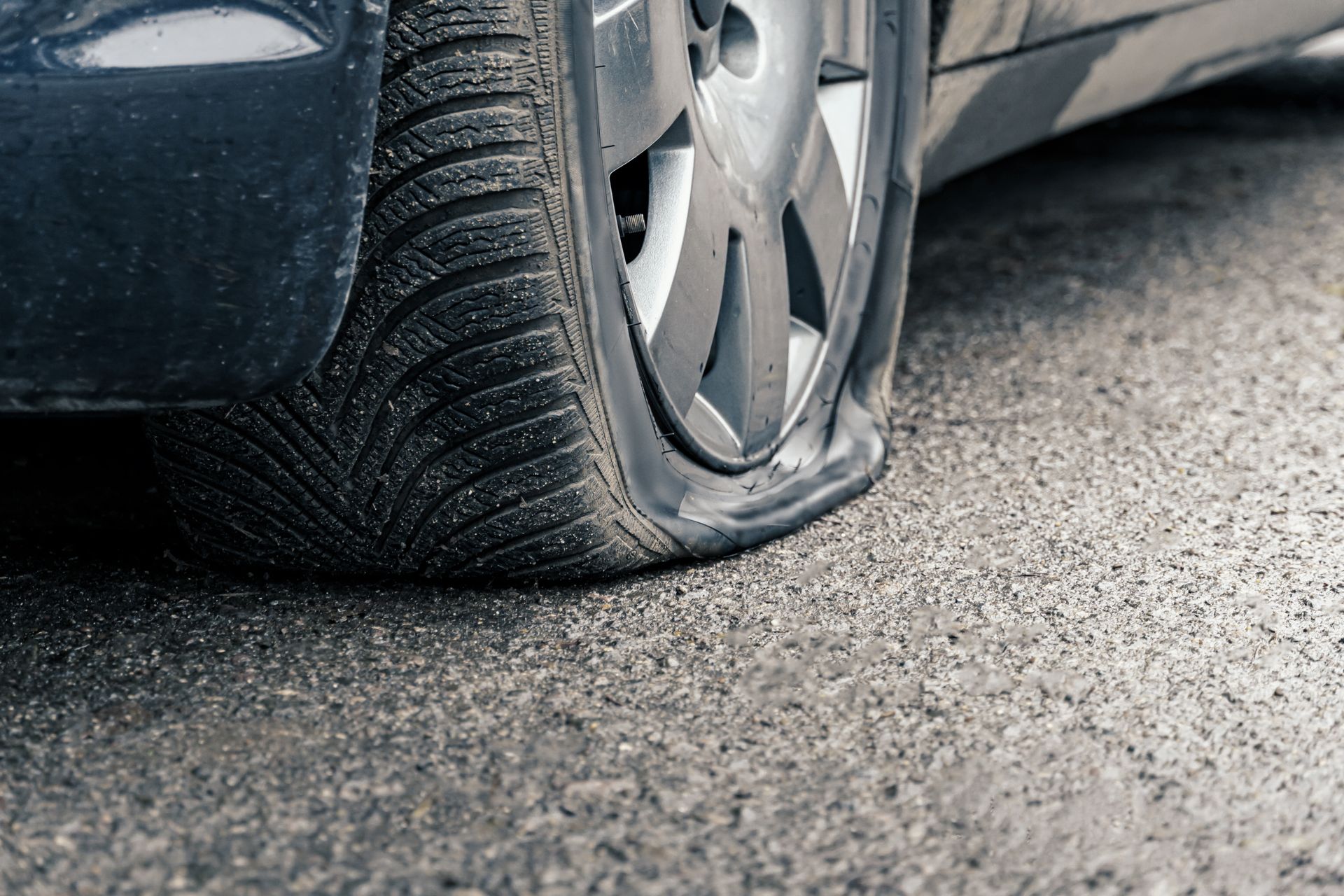
A sidewall cut, structural bulge, damaged wheel, or tire that has come off its bead isn't something sealant restores. A tire driven while severely underinflated may also have internal damage. If the kit can't establish and maintain the required pressure per the instructions, seek assistance instead of pushing its limits.
Run-Flat Tires Still Have Operating Limits
Some tires support limited driving after pressure loss through reinforced construction. The allowed distance and speed depend on the specific tire and vehicle, as do load restrictions and other conditions. Follow those instructions when the pressure warning appears.
Severe impact damage, heavy vibration, or visible structural damage needs a different response. Run-flat construction doesn't make a damaged wheel safe or prevent every kind of tire failure. The tire also needs inspection afterward to determine whether continued use or repair is allowed. Distance traveled without normal pressure is part of that assessment.
The Factory Tire Kit Needs Checking Before a Road Trip
A sealant bottle has an expiration date. Hoses, connectors, and the compressor need to be present and usable, and a kit previously used may require replacement supplies. A secondhand vehicle is especially worth checking because the original equipment may no longer be complete.
Confirm these items before leaving:
- Which flat-tire equipment the car actually has
- The sealant expiration date
- The compressor's power source and connections
- The kit's damage and driving limits
- Roadside-assistance contact information
Read the operating sequence while the car is safely parked. This gives you time to locate the power outlet and understand the pressure check without traffic, darkness, or rain adding pressure.
Adding a Spare Requires the Correct Wheel and Tire
Fit involves more than a matching bolt pattern. The wheel needs hub compatibility, brake clearance, the correct fasteners, and enough load capacity. The tire size and rolling circumference must also match the vehicle's permitted setup.
AWD vehicles may have stricter requirements because different tire circumferences affect drivetrain operation. Some compact spares are approved only for specified positions or conditions. A spare also needs secure storage and the right lifting equipment. Buying a wheel that fits in the empty cargo well doesn't mean it is approved for road use.
A Temporary Tire Fix Still Needs a Full Inspection
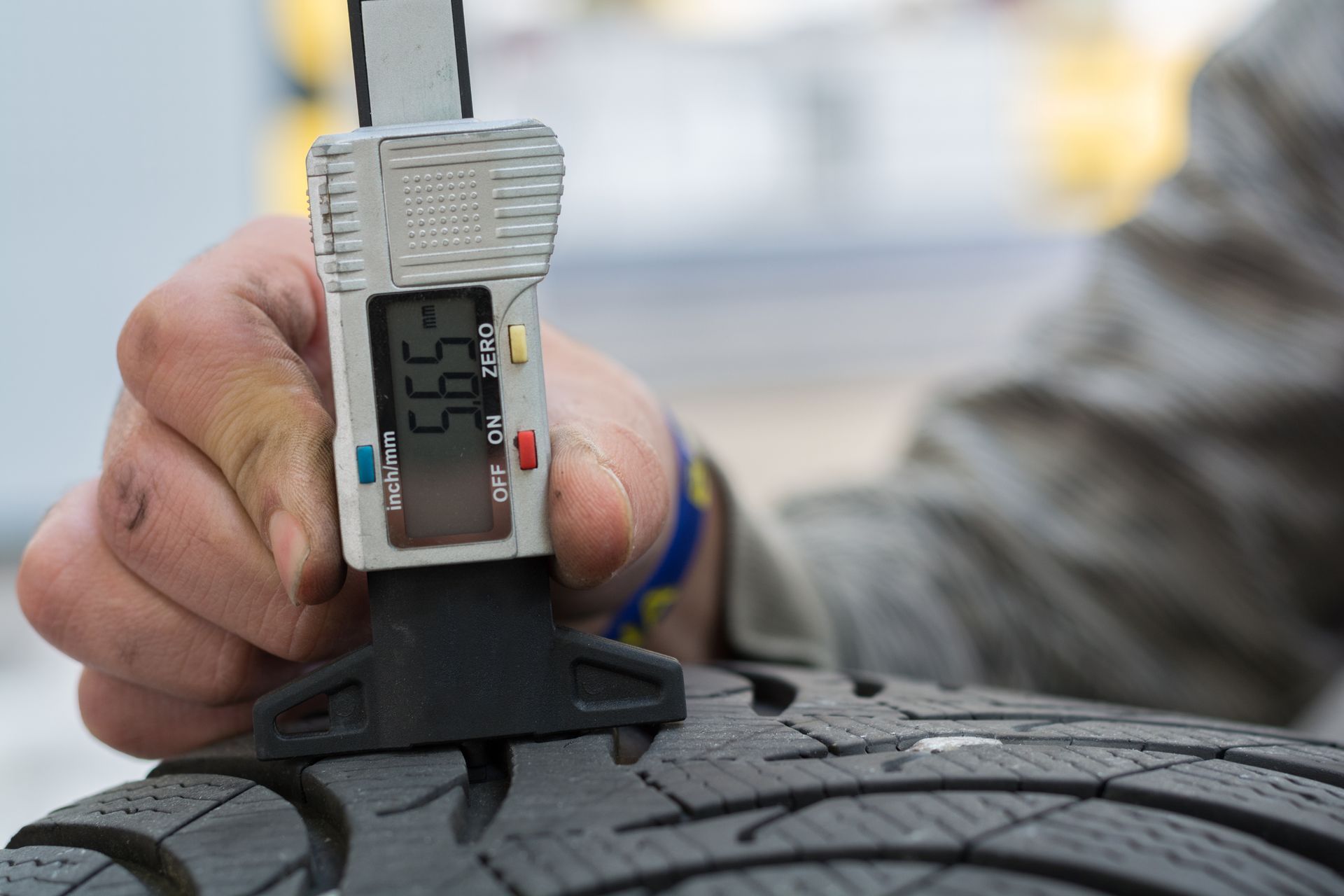
Tell the shop what sealant was used and how far the vehicle traveled after pressure loss. A proper puncture-repair assessment includes removing the tire to inspect the inside. When permitted, the repair method addresses the puncture path and the inner liner.
The original nail hole may be small while the sidewall has been damaged by low-pressure driving. That is why a tire's outside appearance doesn't determine whether it is repairable. Replacement becomes the correct option when structural damage or another condition puts it outside approved repair limits.
Get Tire Service in Hesperia, CA, With Mariposa Tire & Auto
Mariposa Tire & Auto in Hesperia, CA, can inspect a damaged tire and help you review your vehicle's spare or mobility equipment. Bring questions about a missing kit or a spare before your next trip.
Call us to schedule tire service or a pre-trip tire inspection.